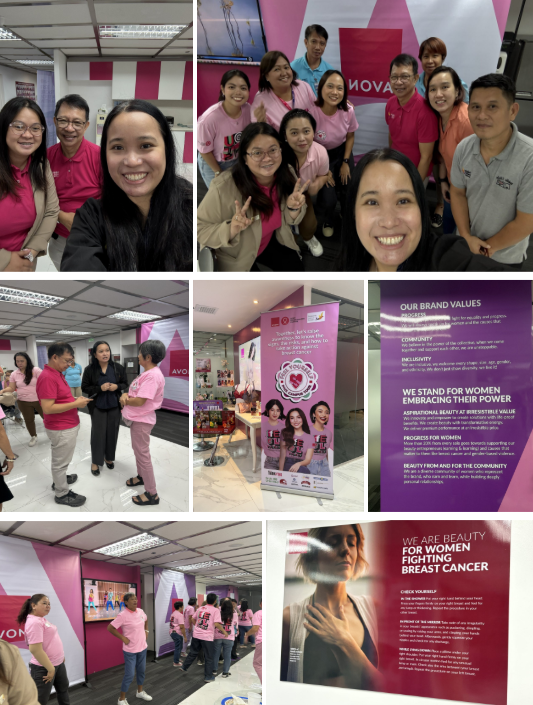

October 2025—The Philippine Cancer Society (PCS) was invited by Avon, which recently hosted a dedicated Survivorship Talk aimed at empowering their very own support group, referred to as "Breast Friends" from major medical institutions, including the Philippine General Hospital (PGH), Jose Reyes Memorial Medical Center (JRMMC), and East Avenue Medical Center (EAMC).
The primary objective of this educational session was to provide actionable, evidence-based information on how breast cancer patients, now recognized as warriors and survivors, can effectively continue and improve their long-term health and well-being in the critical post-treatment phase.
The Definition of Survivorship
Dr. Herdee Gloriane C. Luna emphasized a comprehensive definition of survivorship, noting that it commences at the point of diagnosis and extends throughout the remainder of life. This phase marks a necessary transition from curative or active treatment to a sustained focus on health maintenance, secondary prevention, and quality of life. The three paramount goals of survivorship are:
- To enhance the overall quality of life for the survivor.
- To effectively manage and mitigate long-term and late-occurring physical, emotional, and cognitive effects of cancer treatment.
- To reduce the risk of recurrence of the primary cancer or the development of second primary cancers.
Key Pillars of Long-Term Wellness
The session underscored the pivotal role of lifestyle factors in determining long-term prognosis, asserting that these are the most powerful tools available to the survivor.
1. Physical Activity and Exercise
Regular exercise is non-negotiable in survivorship care. It is a proven intervention to manage one of the most common and debilitating side effects: Cancer-Related Fatigue (CRF). Furthermore, adherence to an exercise regimen is correlated with a reduced risk of breast cancer recurrence.
- Recommendation: Survivors should engage in a minimum of 150 minutes of moderate-intensity aerobic physical activity per week. This must be complemented by resistance exercises targeting major muscle groups on at least two non-consecutive days per week.
2. Nutrition and Weight Management
Dietary choices and weight status significantly influence long-term health outcomes.
- Focus: A diet emphasizing plant-based foods, including fruits, vegetables, and whole grains, is strongly encouraged. Intake of red and processed meats, refined sugars, and excessive alcohol should be limited.
- Significance: Maintaining a healthy Body Mass Index (BMI) is critical, as excess adiposity, particularly in post-menopausal women, has been associated with an increased risk of breast cancer recurrence.
Managing Treatment-Related Sequelae
Dr. Luna detailed the common persistent issues experienced by survivors and outlined appropriate management strategies:
- Endocrine Therapy Side Effects: These include hot flashes, joint pain, and potential risks of osteoporosis or endometrial issues (with Tamoxifen). Strict adherence to prescribed therapy is essential; patients must consult with their oncologist for non-hormonal side effect management rather than discontinuing treatment.
- Cancer-Related Fatigue (CRF): This is profound fatigue not relieved by sleep. It is managed primarily through regular physical activity, even low-intensity activity, rather than prolonged rest.
- Lymphedema: Chronic swelling in the arm, hand, or chest area requires assessment and intervention by a Certified Lymphedema Therapist (CLT), including complete decongestive therapy (CDT).
- Cognitive Impairment ("Chemo Brain"): Difficulties with memory, attention, or executive function can be addressed through strategies like organization, the use of planning aids, and cognitive rehabilitation techniques.
The Critical Role of Surveillance and the Survivorship Care Plan
Active participation in follow-up care is mandatory for early detection and optimal management.
- Surveillance Schedule: Follow-up visits transition from more frequent checks (e.g., every 3-6 months in the first few years) to annual visits post-Year 5.
- Essential Screening: Annual mammography is required for the remaining breast (and the treated breast if a lumpectomy was performed). Additional screenings (e.g., DEXA scans, annual pelvic exams for certain patients) are prescribed based on the specific treatments received.
- New Symptoms: Survivors must report any new or persistent symptoms (e.g., pain, unexplained weight loss, unusual bleeding) immediately, rather than waiting for scheduled follow-up appointments.
Dr. Luna strongly recommended that every survivor request a Survivorship Care Plan (SCP) from their care team. This is a personalized, formal document detailing:
- A summary of the primary cancer treatment received.
- A detailed schedule for long-term follow-up and testing.
- A comprehensive list of potential long-term side effects and corresponding management recommendations.
Conclusion: Five Commitments to Thriving
To encapsulate the path toward sustained wellness, Dr. Luna issued a set of five unwavering commitments for all "Breast Friends":
- Commitment to Lifestyle: Prioritize and integrate the recommended levels of physical activity and nutrition.
- Commitment to Adherence: Maintain strict compliance with all prescribed long-term therapies (e.g., endocrine therapy).
- Commitment to Surveillance: Attend all scheduled follow-up appointments and screenings without delay.
- Commitment to Transparency: Engage in open communication with the care team regarding all physical, emotional, and cognitive changes.
- Commitment to Your Plan: Utilize the Survivorship Care Plan as the definitive guide for post-treatment care.
The Philippine Cancer Society affirms its commitment to advancing knowledge and providing sustained support to the cancer community. We encourage all survivors to embrace these principles to ensure a future marked by health, resilience, and well-being.